
Common Childhood Allergies
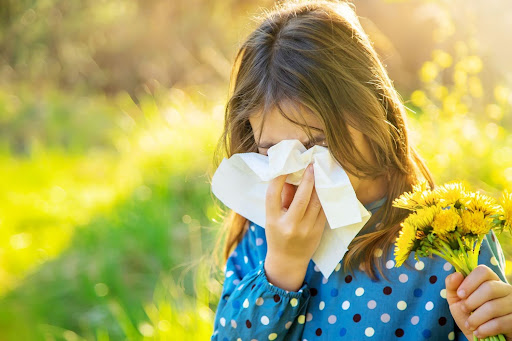
Allergies are common in children, and they may pop up when your family least expects them. Whether from food, pollen, pets, or everyday triggers, they can throw off your child’s day and become serious in some cases.
Learning to recognize early symptoms can help you keep your child safe and feeling their best.
About Allergies
Allergies can pop up in kids when their bodies react to triggers like pollen, pet dander, or certain foods and medications.
Symptoms can be mild, such as sneezing, itching, watery eyes, or hives. However, they can also become severe and require immediate medical attention, causing throat swelling, difficulty breathing, vomiting, or anaphylaxis.
Distinguishing allergy symptoms in your child is important because allergic reactions look different for every child.
Outdoor Allergies
Outdoor allergies are prevalent in many kids, especially those who spend a lot of time playing outside.
These allergies are often seasonal. Reactions may worsen during certain months, and they may also flare up on windy days or during times when pollen levels rise.
Outdoor allergens include tree pollen, plant pollen, insect bites, and insect stings.
Indoor Allergies
Unlike outdoor allergies, indoor allergies often occur year-round. Because indoor allergens linger in homes, schools, and daycare centers, children may experience symptoms consistently throughout the year.
Common indoor allergens include:
- Pets: Pet dander is a trigger for allergy symptoms in children. Children who are sensitive may have a runny nose, cough, or irritated eyes.
- Dust: Dust mites often hide in bedding, furniture, and carpet. If your child is allergic, they may experience cold-like symptoms, including a runny or stuffy nose, a lingering cough, wheezing, and itchy and/or watery eyes.
- Mold: Mold grows in damp areas and is often not visible to the naked eye. If your child is allergic to mold, they may have a runny nose, a cough, and itchy and/or watery eyes. Pay attention to whether symptoms worsen at home and improve when your child is elsewhere.
Food Allergies
Food allergies cause symptoms that range from mild to severe.
Some of the most prevalent food allergies include:
- Peanuts: Peanut allergies are among the most common food allergies in children. They create reactions that range from mild hives to more severe breathing problems.
- Milk: Milk allergies typically affect young children and infants. Symptoms may include an upset stomach, vomiting, hives, or eczema flare‑ups.
- Eggs: Egg allergies are another frequent allergy in children, yet most outgrow these allergies. They can cause reactions such as skin rashes, an upset stomach, and breathing problems.
- Fish: Fish allergies cause some children to experience severe allergic reactions. Symptoms may include hives, swelling, vomiting, and breathing problems.
- Soy: Soy is found in many processed foods, and it can cause children to experience hives, eczema flare-ups, vomiting, coughing, a runny nose, and trouble breathing.
- Tree nuts: Tree nuts that children may be allergic to include walnuts, almonds, cashews, pistachios, pecans, and hazelnuts. Symptoms include hives, itching, swelling, and breathing problems.
- Wheat: A wheat allergy in children causes symptoms such as hives, eczema flare-ups, swelling, vomiting, wheezing, and breathing problems.
- Shellfish: Shellfish allergies in children can lead to hives, skin rashes, swelling, wheezing, and trouble breathing.
Medications
It’s also important to be aware of certain medications, as some children experience allergic reactions when taking them. Knowing which medications may cause reactions can help you respond quickly if you notice your child starting to show signs of an allergic reaction.
Antibiotics such as penicillin, amoxicillin, and azithromycin may cause allergic reactions that show up as coughing, wheezing, dizziness, or anaphylaxis.
Pain relievers like Ibuprofen, Tylenol, or aspirin can occasionally trigger allergic reactions in children, causing hives, swelling, an upset stomach, and trouble breathing.
Vaccine allergies are rare, but some children may react to gelatin or egg proteins found in vaccines. Symptoms may include skin rashes, swelling, and trouble breathing.
Treatment Options
There are several ways to manage and treat allergies in kids. Here are some helpful options for families:
- Avoiding triggers: One of the best ways to reduce allergy symptoms is to limit your child’s exposure to allergens when you can. This might mean you close the windows during high-pollen days or avoid foods that cause a reaction.
- Allergy testing: If you’re unsure of the root of your child’s symptoms, allergy testing can help to identify the cause.
- Regular washing: Washing clothes, bedding, and stuffed animals helps remove pollen, dust mites, and pet dander that build up over time.
- Medications: Over-the-counter antihistamines, nasal sprays, and other allergy medications can help reduce symptoms.
- Seek care: If your child has a severe reaction that comes on suddenly or doesn’t improve with home remedies, it’s important to seek medical attention right away.
Tips for Parents
When you have a plan, it gets easier to help manage your child’s symptoms. Make sure to keep allergy medications on hand, so you can act quickly in the case of a reaction.
It’s also wise to take detailed notes and record any event where your child’s symptoms appear. This can help you identify triggers.
Beyond this, a pediatrician can help to identify allergy triggers, recommend treatments, and create a plan to help keep your child healthy. For families in eastern Idaho, Rexburg Pediatrics provides comprehensive allergy care for children.
Local Allergy Treatment
If your child is struggling with allergies, our team at Rexburg Pediatrics is here to help. Through child-focused allergy care and proven treatment options, we’re committed to helping your child feel their best.
Reach out today to learn more about our allergy care services.